Categories
Horror/Suspense Mystery/Noir Science Fiction / Fantasy

Invasion of the Body Snatchers (1978 Version)

BLACK HOLE REVIEWS: INVASION OF THE BODY SNATCHERS (1978) - creepy,  paranoid, body horror

When I recommend multiple adaptations of the same story, I typically package them as double or triple features. But in this case, the remake of a classic film I have recommended is so well-made and so distinctly its own work of art that I grant it an essay of its own: the 1978 version of Invasion of the Body Snatchers.

Like the 1956 classic original, Philip Kaufman’s remake is based on Jack Finney’s popular novel The Body Snatchers, in which seed pods from another planet drift to earth and begin replacing humanity with soulless replicas. But Kaufman added his own twist, which was to move the story from a California backwater to modern day San Francisco, a city he knows very well. In doing so, he preserved the suspense and chills of the original story while also getting to show off the gorgeous City by the Bay while also gently parodying some of its self-consciously hip and alternative residents.
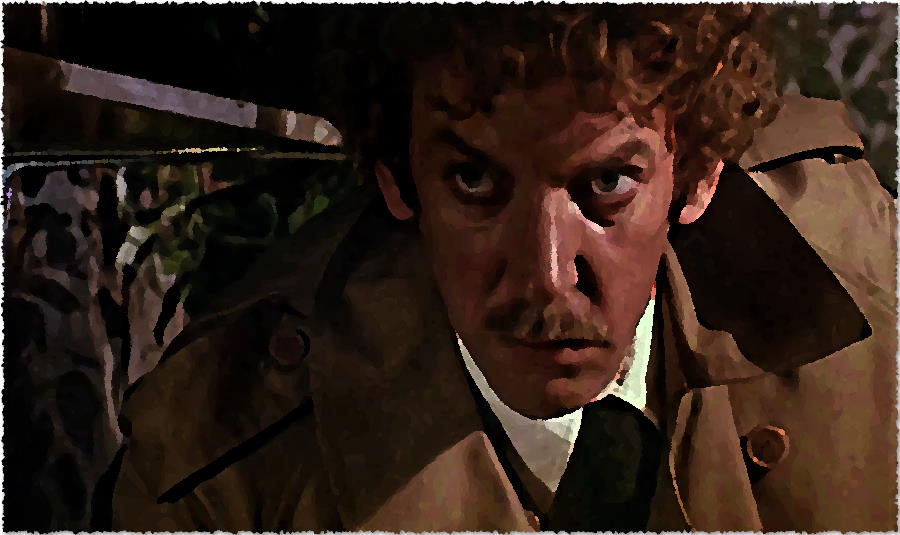
Our likable and believable heroes this time around are Donald Sutherland and Brooke Adams as dedicated public health department employees (Back when such people could afford lovely homes in San Francisco). W.D. Richter’s screenplay wisely never explains if they once were lovers, but the actors convey the romantic undertone of their relationship, even though she is, awkwardly, living with a guy who doesn’t quite seem to be himself lately.

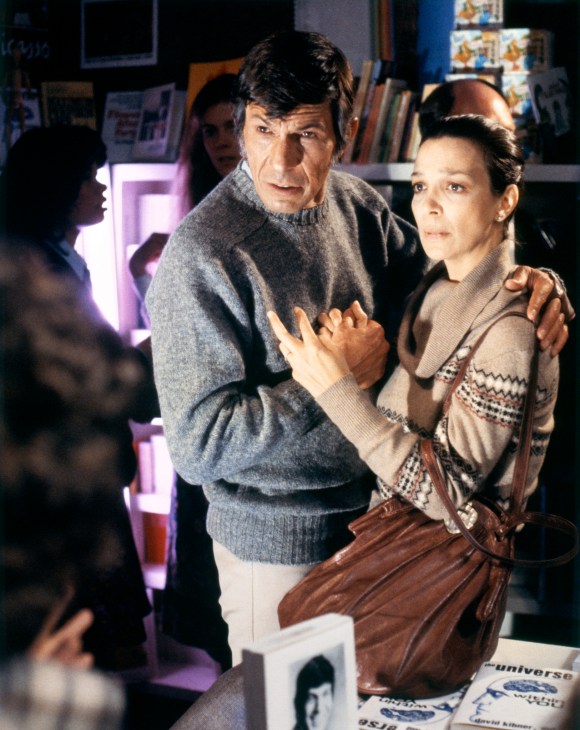
There’s always a character in paranoia films who explains to the anxious protagonist why nothing is really amiss, it’s all in your head, and why not lie down and get some rest? Here that part is a San Francisco archetype, a psychological growth-touting guru, played perfectly by Leonard Nimoy. If you are going to be typecast, Spock is a fabulous role to have, but Nimoy didn’t get as much chance as he deserved to try other things.
As for the extraterrestrial nasties, kudos to the special effects and makeup teams for creating some unnerving aliens with gut churning reproductive habits. One wonders if the makers of the Alien films were inspired by this movie’s parasitic menaces. Combined with terrific pacing (something lacking in some of Kaufman’s other movies), the heroes’ battle to resist the invaders is edge of your seat stuff.

Another thing I cherish about this movie is that while it’s mainly in the sci-fi/horror genre, it has noir elements and cinematographer Michael Chapman shot it as such. As has been shown in many classic noirs, San Francisco was made for shadowy lighting, unusual camera angles, and lonely compositions, all of which Chapman artfully employs here.

Last but certainly not least, this film breaks away from its classic predecessor in many respects, but at the same time stays reverent to it. Most notably, both the star (Kevin McCarthy) and director (Don Siegel) of the 1956 version have cameo roles that are both fun and scary. Put it all together and you have in my opinion both the best movie in Kaufman’s impressive ouevre and one of Hollywood’s freshest remakes ever.

p.s. Look fast in the opening scenes for a creepy looking priest on a swing played by Robert Duvall! As Kaufman tells it, he thought every horror movie should have priest in it so he asked his friend Duvall to do the wordless cameo.
Categories
Drama Mystery/Noir

Witness for the Prosecution

The Ace Black Blog: Movie Review: Witness For The Prosecution (1957)

Agatha Christie’s popular blend of mysterious murders, eccentric characters, droll humor, and surprise endings have translated smoothly into many entertaining movies, including some all time-classics. In that glittering club along with another of my recommendation (And Then There Were None) is Billy Wilder’s 1957 gem Witness for the Prosecution.

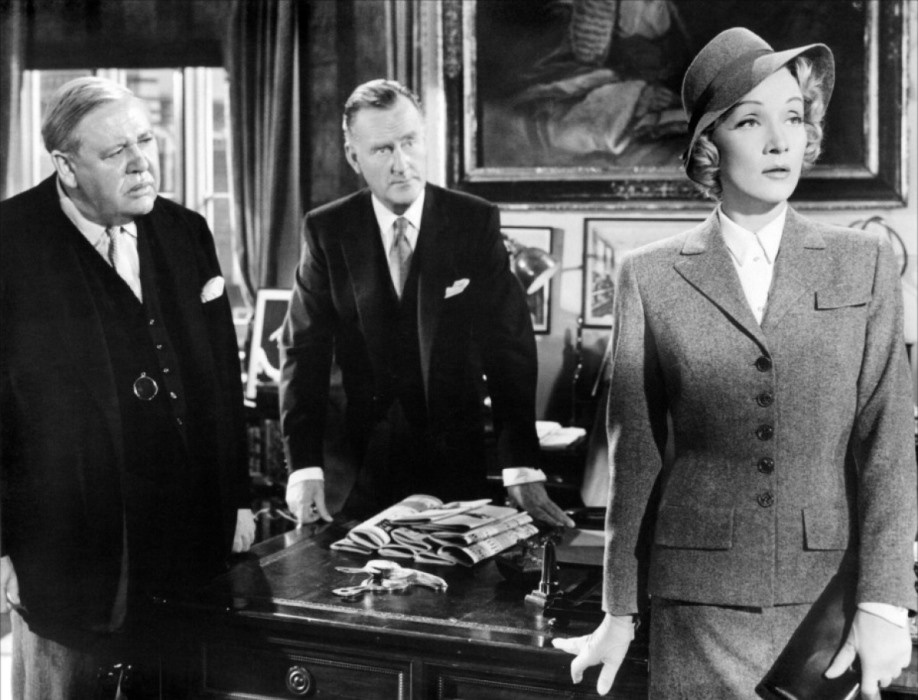
Plot: While recovering from a heart attack, the brilliant and caustic Sir Wilfrid Robarts (Charles Laughton) is presented a murder case that tempts him back to the Old Bailey, despite the risks to his health. A charming ne’er do well named Leonard Vole (Tyrone Power) stands accused of murdering an older, well-heeled, widow named Emily Jane French (Norma Varden), who had fallen under his spell. Vole’s glamorous, enigmatic, German wife (Marlene Dietrich) at first seems willing and able to provide an alibi…but the audience shares Sir Wilfrid’s suspicion that the case will be nowhere near that simple.

Christie was comfortable with liberal adaptations of her work. Indeed, she herself changed the ending of her story Traitor’s Hands when turning into a play called Witness for the Prosecution. And she countenanced a number of further changes in the film version, as scripted by Wilder, Larry Marcus, and Harry Kurnitz. Their most brilliant innovations were enlarging the part of Sir Wilfred to give Laughton a showcase role and inventing outright the character of Miss Plimsoll, his long suffering nurse. Casting Laughton’s real-life wife, that shamelessly funny ham Elsa Lanchester, as Miss Plimsoll was another stroke of genius. The first quarter of the film could have stood on its feet just as a comedy, as Plimsoll mothers and badgers Sir Wilfrid to follow his health regime and he schemes and wheedles to obtain his treasured cigars and brandy.

Reviewing performances: Best Actress in a Supporting Role 1957 ...

But of course it’s not primarily a comedy, but a murder mystery and courtroom drama. It’s very strong on those terms, with articulate jousting in the courtroom and engrossing plot twists outside of it. The ending, which I will not ruin (and the post-credits ask audiences to abide by the same silence), is a bit contrived but still satisfying.

The smaller roles are also very well essayed, include Una O’Connor as the hilariously crotchety maid of the victim and Henry Daniell, whom I loved in multiple Rathbone-Bruce Sherlock Holmes films, as another lawyer. But even in this strong cast, Laughton towers over them all with one of signature performances of his stellar career. His Sir Wilfrid is a complete character: insufferable at times, dazzling at others, and always, at the core, honorable.

Tyrone Power was an intriguing choice as the accused. Entering middle age (and tragically, to die of a heart attack after this picture was released) , his handsomeness is still visible, but at a less godlike level that in the 1940s. He looks, appropriately, like a chancer who knows his looks will fade soon but are still impressive enough to spark fantasies in a lonely older woman. Marlene is as beguiling as ever, and it doesn’t really bother us that despite her penury, she wears a series of smashing outfits designed by Edith Head.

The movie is of course also another triumph for Billy Wilder, and one that at moments echoes some of his other movies. Leonard’s relationship with Mrs. French brings to mind Sunset Boulevard and a scene in post-war Germany with Dietrich and Power recalls A Foreign Affair. Resonant grace notes for fans of the legendary director.

Categories
Drama Featured Film Mystery/Noir

Nightmare Alley

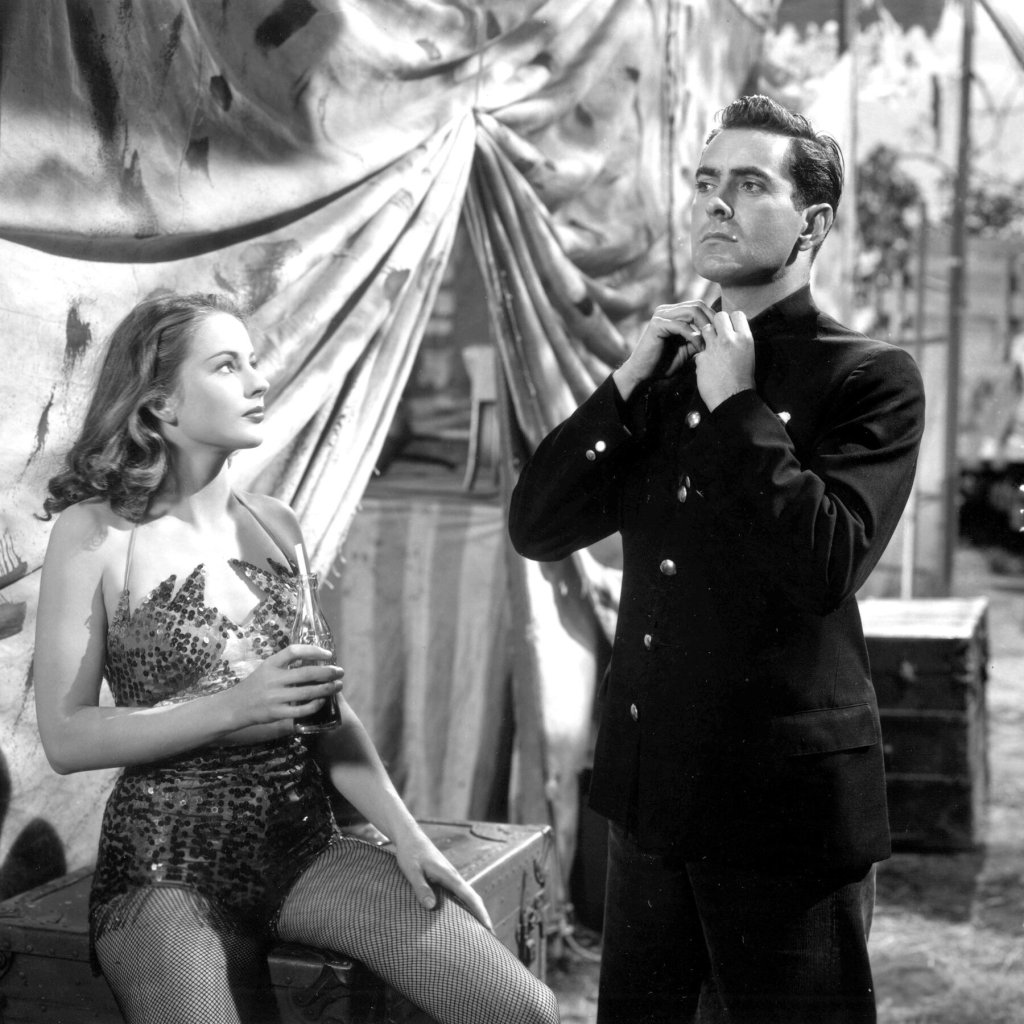
Tyrone Power was one of most dashing leading men in Hollywood history and became a massive box office draw beginning in the mid-1930s. However, after many swashbuckling Saturday matinees, musicals, and romantic dramas, he longed to do something more weighty. He used his star power to convince a skeptical Daryl Zanuck to produce a film based on a dark, disturbing, debut novel by a dark, disturbing guy named William Lindsay Gresham. The resulting film was a most atypical one both from the point of view of Power’s career and the film noir genre: 1947’s Nightmare Alley.

The plot is long and twisty, but Jules Furthman of The Big Sleep and To Have and Have Not fame knew as well as any screenwriter how to keep an audience from becoming lost. Stanton Carlisle (Power) works at a carnival, assisting a couple with their low rent mind-reading act. Zeena (Joan Blondell, whose performance stands out even in this strong cast) has become the brains of the outfit due to her husband Pete’s decline into alcoholism (A sympathetic Ian Keith). Once Zeena and Peter were the toast of high society, due to a sophisticated code they developed to create the illusion of extra-sensory perception. Stanton turns his magnetic charm towards getting Zeena to teach him the code and simultaneously seducing a young beauty named Molly who also works at the carnival (Coleen Gray). He gets what he wants from both women, and he and Molly flee to the big city. They revive Zeena and Pete’s old act with tremendous success. But soon an alluring and devious psychiatrist (a delicious part deliciously played by Helen Walker) tempts Stanton into an even bigger con, which leads him to places many a film noir protagonist knows far too well.

Nightmare Alley is a punchy exploration of how ambition and greed translate into cruelty and deceit. Although not generally known as a noir director, Edmund Goulding has firm grasp of the material, and deserves credit for the uniformly strong acting. He and Power had just collaborated on the excellent The Razor’s Edge and they continue to thrive together here, making Stanton appealing and vulnerable enough that we keep caring about him even as his morality corrodes. The film also offers an unusually large array of complex, strong, women characters, all of which are well-played.

Nightmare Alley is unlike most noirs of the period, for two reasons. First, Power doesn’t look the part of the noir protagonist: he’s too handsome, too smooth, and too poised. He looks out of place in the carny scenes, but at home in the swanky scenes where he wears a tuxedo in a plush hotel ballroom. And yet, it works, because this is perhaps the best performance of Power’s career, stretching his range unlike anything he’d been in before. The fall of his character is that much more devastating precisely because he starts out looking like he has success oozing out of every pore.

The other atypical aspect of the film is that it’s one of very few big budget noirs of the period (Leave Her To Heaven being a better known example) Noirs were usually cheaply made, and indeed some of their conventions (e.g., minimal lighting) emerged in part to hide their low budgets. In contrast, this is a gorgeous looking film shot by Lee Garmes and stuffed with authentic sets, varied locations, and perfect outfits for the characters.

The only thing that bothered me about the film is that the perfect, sock you in the gut final scene became the penultimate one when Zanuck saw the rushes. The film closes instead on a more hopeful (though still dark) scene that has less psychic weight. Studio-imposed, punch pulling, final scene are commercially understandable but artistically barren (I had the same complaint about 99 River Street), particularly here when “I was made for it” is an all time noir classic line that should have closed out the story. But that’s a small complaint to have about such an accomplished piece of cinema.

Nightmare Alley didn’t do good business at release because Zanuck didn’t believe in it and because it violated audience expectations for Power and for film noir. But in the years since, it has been deservedly rediscovered as a classic of the genre and a high point of the tragically short career of Tyrone Power.

Categories
Documentaries and Books Drama Mystery/Noir

In a Lonely Place

To hell with happiness. More important was excitement and power and the hot stir of lust. Those made you forget.

Dorothy Hughes’ bewitching and disturbing novel In a Lonely Place was thankfully re-issued by New York Review of Books in 2017. It very much recalls some of Jim Thompson’s darkest works, though she’s arguably an even better writer than he was. Hughes’ stylish evocation of a psychopathic psychology is like one of those sweetened Russian cocktails that tastes wonderful going down even though you know it’s burning out your insides and will leave you full of the blackest regret in the morning. I can’t recommend the book strongly enough, though not for the faint-hearted.

Once you have read it, consider watching the unforgettable film adaptation, which I review below.

I was born when she kissed me. I died when she left me. I lived a few weeks while she loved me.

Amazingly, there are people who consider themselves Humphrey Bogart fans who have never seen the brooding, powerful 1950 film In a Lonely Place. In one of his greatest roles, Bogart plays bitter, hard-drinking Hollywood screenwriter Dixon Steele, whose best days seem to be behind him. After being tasked with adapting a dreadful novel for the silver screen, he asks a ditzy hat check girl who loves the book to come to his apartment and tell him the plot. The next morning, the police inform Dix that the girl has been murdered and dumped by the side of the road. As the audience, we do not know what really happened. Steele is initially alibied by sultry neighbor Laurel Gray (Gloria Grahame, all eyebrows, curves and nimbly masked emotional turmoil), who promptly yields to his romantic advances. They fall in love and Dix is able to regain his gifts as a writer. But as Laurel sees Dix continue to be volatile and aggressive, she begins to wonder, Suspicion-style, whether Dix is a murderer after all.

This movie is cynical about fame, Hollywood, and human relationships, but tantalizes us with the possibility that new love can redeem it all. The suspense emerges less from the murder mystery than from the warring internal emotions of the characters. Director Nicholas Ray knew life’s dark places and how to get actors to go there. His marriage to the volatile Grahame ended in the most sordid way imaginable while they were making this movie, and the anguish and anger on the set comes out in the electric performances of the cast. The film is also remarkable for its opening five minutes, which are a clinic in how a great director and actor can establish a character with ruthless economy (incidentally, the bar in the opening scene was modeled after Romanoff’s, Bogart’s favorite watering hole).

There are countless movies told from the man’s point of view in which a beautiful, younger woman falls in love with the protagonist (indeed, Bogart himself made a number of such films). The women in those movies are flat characters and we aren’t told why they go for the hero. He wants her, the story needs them to fall in love, so they do. What is truly remarkable about this movie’s structure is that it follows this formula about half-way through and then flips the perspective to the woman’s point of view.

Categories
Horror/Suspense Mystery/Noir

Taste of Fear

London-based Hammer Films had a fertile and fiscally rewarding period in the 1950s and 1960s styling itself as the British second coming of the old Universal Studios Monster Movies. They gave Dracula, Frankenstein, and the Mummy quite a workout, relying on generally solid and scary scripts, a stable of dependable stage-trained actors, not-bad special effects, atmospheric locations (e.g., Highgate Cemetery) and an abundance of aspiring starlets with daring décolletage. Many viewers remember Hammer monster movies in their nightmares, but few recall that the studio also turned out some high-quality psychological thrillers, most of them scripted by Jimmy Sangster. This week I recommend my favorite of these films: 1961’s Taste of Fear (aka Scream of Fear).

The story centers on a frequently-invoked but still effective thriller trope: The central character who has some physical limitation that makes them unusually vulnerable. In this case, it’s Penny Appleby, who has needed a wheelchair since suffering a tragic accident. She has traveled far to visit the wealthy father whom she has not seen since her parents’ divorce over a decade ago. Her father’s new wife and a family friend named Dr. Gerrard greet her warmly, but inform her that her father is away on business. Yet as the days go by, a series of peculiar and shocking events make her start to think her father has in fact been murdered! Has she come across the world’s wickedest stepmother, or is she losing her mind? Nerve-shredding suspense and some inventive plot twists follow.

Taste of Fear is often referred to as Hitchcockian, and while I can see why, it recalls for me much more the French classic Diabolique, which Sangster almost certainly must have seen. Both films create a sense of dread and continually lead the viewer to think “Ah, that’s what’s really going on” to be immediately followed by “I was wrong again – I have no idea what’s really going on”.

Hammer made the film in partnership with Columbia Pictures, which accounts for them landing American Susan Strasberg for the role of Penny. She brings across very well a young woman who is understandably fearful but at the same time determined and smart enough to keep pressing the question. The rest of the cast are British talents of the type that Hammer more typically favored, including Dracula himself, Christopher Lee, as an effectively creepy Dr. Gerrard.

The other undeniable strength of the film is Douglas Slocombe’s pristine, gorgeous black and white cinematography. Both he and director Seth Holt have refined visual instincts regarding the balance of light and shadow that keeps the audience on the edge of their seats. They also create a stunningly horrifying shot underwater that I will not detail because it would spoil a plot point, but you’ll appreciate it when you see it. Credit former film editor Holt also for a tightly constructed movie – flabbiness is the enemy of suspense and everything in this movie is lean and tight.

Hammer devotees argue which of the studio’s films was the most creative and well-made, with Brian Clemens’ Captain Kronos, Vampire Hunter at the top of many fans’ list. That’s a fun movie, but I find Taste of Fear more tightly constructed and better acted as well. This shamefully-forgotten thriller is available on Daily Motion, which I believe has the legal right to rebroadcast old movies on line, so you can enjoy it free of guilt right here.

Categories
Foreign Language Horror/Suspense Mystery/Noir

Les Yeux Sans Visage

In the decades immediately following the war, French film makers didn’t produce many horror movies, but when they did they took more risks than studios in other countries who simply revived classic monsters or reworked hoary ghost stories. Among the most compelling and influential of such productions shocked audiences when it was released in 1960: Les Yeux Sans Visage.

The story opens with a shot of a lone woman, played by the elegant Euro-superstar Alida Valli, driving down a dark highway in fear. The audience worry for her: Is she being pursued? Can she please get away? But then the film roils our emotions for the first of many times by showing us that in fact “our vulnerable heroine” is on her way to dump a mutilated corpse into the river. As the bizarre story unfolds, we learn that Valli’s character is the slavishly devoted partner of the brilliant Dr. Génessier (Pierre Brasseur), a surgeon who is guilt-wracked over a car accident that disfigured his daughter Christiane (Edith Scob, who impressively manages to convey rich emotion while wearing a smooth mask). But if Génessier can capture a similar enough looking woman and force her to undergo a radical surgery, could a face transplant restore Christiane’s beauty? Grade A+ shocks and chills follow.

eyes-without-a-face-1200-1200-675-675-crop-000000

French director Georges Franju made this one of a kind horror film with a talented group of artists who implemented his vision. The legendary Boileau-Narcejac writing team adapted Jean Redon’s novel, implementing substantial changes to make the story more cinematic, and, approvable by censors (no mean feat in those days). Maurice Jarre composed the score and the famously innovative Eugen Schüfftan contributed pristine cinematography. Various film critics have placed the stunning result in the tradition of fantastique, surrealism, poetic realism, and even German-style Expressionism (even though it’s nowhere near as experimental as Cabinet of Dr. Caligari). I don’t know enough about the history of French film to arbitrate that debate, so I will use the less cultured term Art House Horror to roughly categorize this movie.

Les Yeux Sans Visage recalls Suspiria in that the visuals rather than the plot largely drive the movie and command the viewer’s attention. Dr. Génessier’s lair, to which the kidnapped young women are taken, is one of cinema’s most terrifying “second locations”, with ferocious dogs in weirdly shaped cages, tortuous passageways, and an underground surgical suite where you would never want to be a patient (roses for production design and art direction to Marie and Auguste Capelier). The horrifying, deathly, beautiful, dreamlike, series of images of this film’s last five minutes may never leave your mind.

At the time of its release, Les Yeux Sans Visage was not universally appreciated, but its reputation has deservedly soared since. Among its artistic descendants are Halloween, Face/Off, and yes, that Billy Idol song.

Categories
British Drama Mystery/Noir

The Charmer

The movies have been good to British novelist and playwright Patrick Hamilton (1904-1962), who might otherwise not be remembered at all even though he produced some good work and claimed some significant admirers before depression and heavy drinking dissipated his gifts. Hitchcock’s Rope, two versions of Gaslight, and Hangover Square all remain eminently watchable today. But instead I am going to recommend what I believe is the most recent adaptation of Hamilton’s work, the six-part 1987 television mini-series The Charmer.

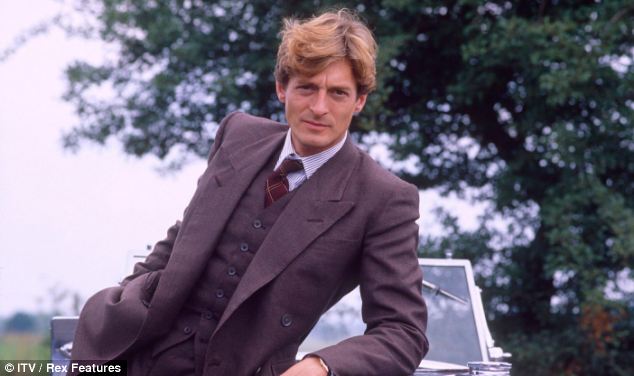
The plot: In 1930s Britain, Ralph Gorse is a suave chancer who desperately wants a life of ease, but has no interest in working honestly for it. Better to use his charm, wits, and ruthlessness to secure wealth and status. If some people — particularly women — are harmed or even killed along the way, so be it. Posing as a worldly ex-army officer with connections to high finance, he enchants and then mulcts Joan Plumleigh-Bruce (Rosemary Leach) an older, lonely, widow of means. This act enrages stolid businessman Donald Stimpson (Bernard Hepton) who had long been hoping for Joan to notice him. Even before Gorse has dumped Joan, he begins pursuing an upper class siren he actually cares about (Fiona Fullerton, at her pouty best) as well as some other women that he really doesn’t. As Gorse does increasingly horrible things to serve his sociopathic wants, Stimpson mercilessly follows his track, all the while frustrated that Gorse’s female victims continue to pine for him.

Women viewers swooned over the handsome Nigel Havers when this series was broadcast. Havers carries off Gorse’s aristocratic pretensions well, which is not surprising given that the actor is from a very posh background himself. The other elements of his performance are serviceable, but not in the league of the other leads. The late Rosemary Leach brings Plumleigh-Bruce alive as a woman caught between what her heart and head tell her about Gorse. She gives Joan an underlying strength such that even when she is conned and humiliated, she manages to retain some dignity. Bernard Hepton is just as good at slyly revealing Stimpson’s fundamental self-deception: He isn’t really a noble crusader, he’s just jealous as hell that Gorse gets all the things he himself yearns for but will never have.

The production mostly stays indoors, I presume out of need to recreate the period on a television mini-series budget. Those sets feel authentic, as do the clothes, cars, and music. I had not heard of Director Alan Gibson before, who sadly died young just after making this series, but his work here is solid. Finally, Alan Prior’s script is well-turned, even though he changed the ending in the source novel (Mr. Stimpson and Mr. Gorse). If you want to know what that change was, read on.

SPOILER ALERT STOP HERE IF YOU DON’T KNOW THE ENDING

In the book, rather than being spurned by Joan Plumleigh-Bruce at the end as in the television series, Stimpson dumps her and runs off with her housemaid. Because that fits with my read of Stimpson as a much worse person than he sees himself as being, I prefer the book ending. At the same time, Leach really nailed the ending in the series, so it has its own pleasures.

Categories
Drama Mystery/Noir

Hangover Square

Supplementing my recommendation of The Charmer, I offer another Patrick Hamilton adaptation, albeit one that departs more substantially from the original novel: 1945’s Hangover Square.

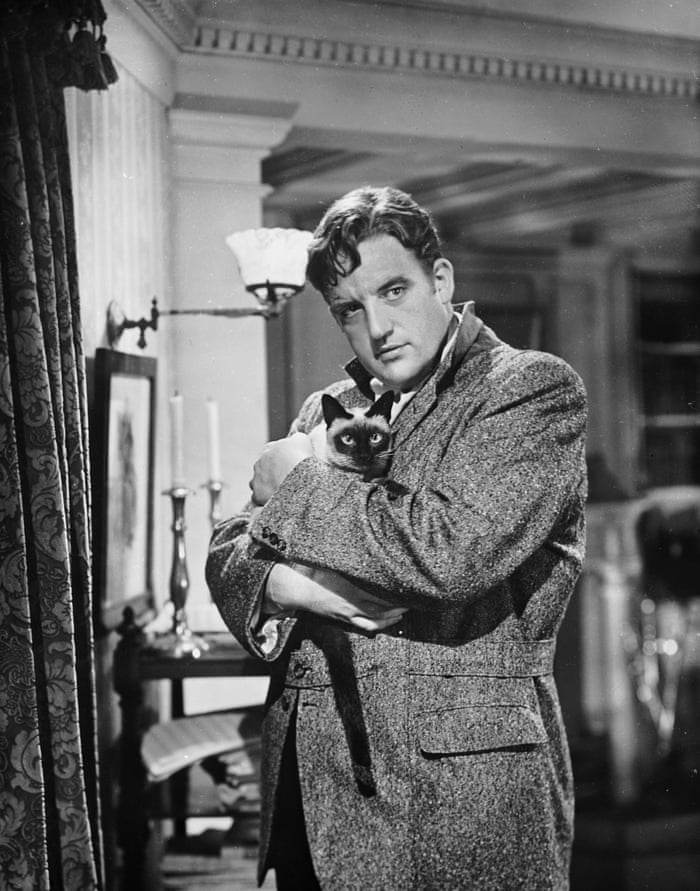
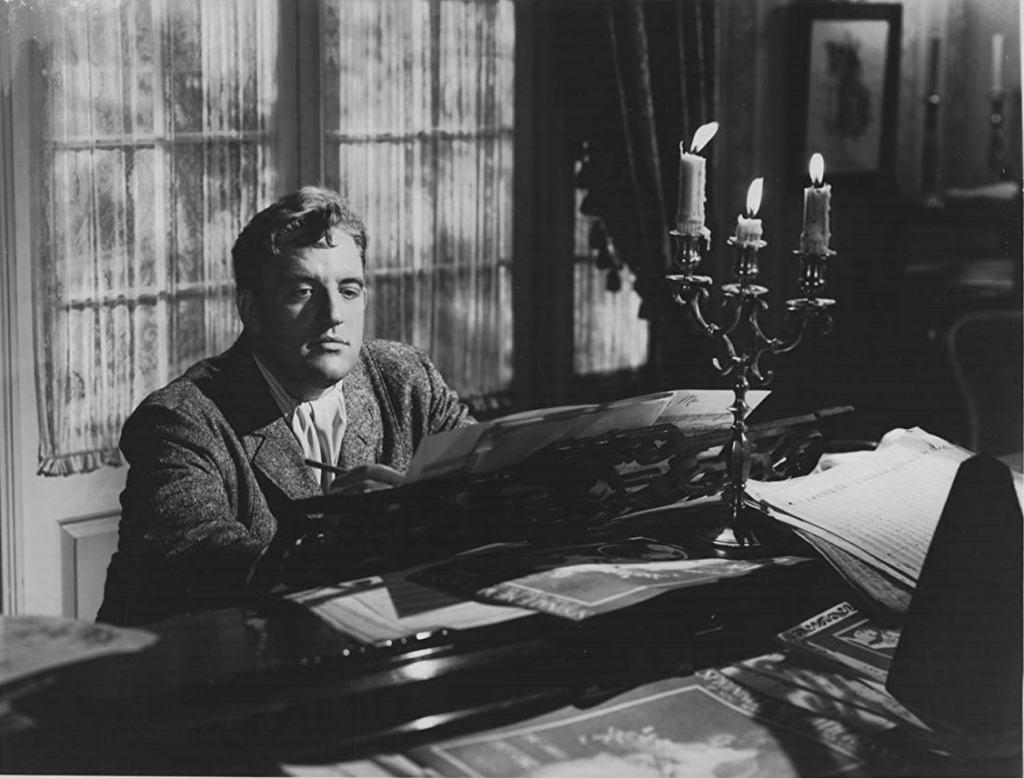
The plot: In Edwardian London, brilliant, troubled classical composer George Bone (Laird Cregar) suffers fugue states during which he commits violent acts which he cannot recall afterwards. As Bone attempts to hold his psyche together long enough to complete a concerto, a scheming, alluring dance hall tart named Netta Longdon (Linda Darnell) tempts him in every way to devote his talents instead towards producing popular songs that will catapult her to fame. When George finally realizes that Netta is manipulating him, his mind snaps once more, propelling forward this dark tale of suspense, crime, and emotional anguish.

I am going to start my analysis of this film by getting the unpleasant bit out straightaway. The middling script of Hangover Square was written by Alfred Edgar, under the pen name Barré Lyndon (Presumably he was a Thackeray fan). Edgar drained the trenchant political and psychological observations from Hamilton’s novel (which was set during Hitler’s rise to power), added some clunky expositional exchanges while leaving other important elements of the plot strangely unexplained, and concocted a character who makes little sense (Dr. Allan Middleton, played by George Sanders, who is a clinical psychiatrist but is also somehow a front-line police detective and also apparently a romantic rival of George Bone though this is dropped after a single needless scene). Edgar’s is by no means a terrible screenplay, but given the source material — Hangover Square is generally considered Hamilton’s best novel — it should have been better.

Patrick Hamilton's Hangover Square and a slide into the abyss ...

Fortunately, other elements of Hangover Square are so remarkable that they overcome the script’s flaws. The film is anchored by scintillating performances by two sadly short-lived talents: Cregar and Darnell. The character of George Bone might easily have repelled the audience, but Cregar conveys such vulnerability and ingenuousness that the audience sympathizes with him anyway. A talented musician in his own right, Cregar is also completely believable in his composing and performance scenes. Darnell, only 22 years old at he time, is just as good at being bad. She keeps every man in the movie dancing on a string with her lovely face, artful conversational dodges, and sexual ruthlessness. One central aspect of the book that the film does maintain are the scenes of love struck George letting Netta hurt him, disregard him, and demean him; Cregar and Darnell play these just right.

The visuals of the movie are as rewarding as the performances. The sets are handsome, the costumes expertly done, and the editing is spot on. On top of all that, the brilliant Joseph LaShelle (whose film noir work I have praised before) contributes gorgeously shadowy cinematography and a particularly superb tracking shot at the climax.

The other undeniable pleasure of Hangover Square is Bernard Herrmann’s score, one of the best in his storied career. Herrmann had to write not just the usual movie theme music, but also the piece that Bone is striving to compose and plays in the arresting final scene. The result — Concerto Macabre — is a knockout.

Hangover Square re-united much of the team that made another of my recommendations, The Lodger, the year before, but the second production was not a happy set. Stevens hated his closing line and got into a row about it with producer Robert Bassler that allegedly ended in fisticuffs. Cregar loved the novel and was angry about how it had been drastically changed in the script, and he and director John Brahm clashed throughout the production. Cregar was also struggling with health problems stemming from his attempts to dramatically reduce his weight, including through amphetamine use. He died two months before Hangover Square was released, but at least fate made his last scene on screen an unforgettable image that will stay with viewers of this film for many a moon.

Categories
Mystery/Noir

Act of Violence

Someone once defined the essentials of film noir as “a dame with a past and a guy with no future”. One could add to that another line , which is uttered by Burt Lancaster’s character in The Killers and captures the driving mood of a subset of these marvelous films: “I did something wrong once”. The sin that can’t be erased, the guilt that attaches to it, and the inevitable doom it will ultimately bring has driven many a fine noir, including Act of Violence.

This 1949 film centers on a seemingly happy, All-American, family composed of war veteran and respected citizen Frank Enley (Van Heflin), his loving wife Edith (Janet Leigh), and their adorable toddler. I describe them as the people the movie centers on rather than as the protagonists because one of the many strengths of Robert L. Richards’ crackerjack script is that it’s not clear for some time (and even perhaps after you have watched the whole thing) who the hero of this movie is, or even if it includes a hero at all. At first it seems there’s an obvious villain: a limping, gun-toting, former soldier (Robert Ryan, who could always bring the sinister) who remorselessly pursues Frank Enley for reasons that are mysterious. Frank refuses to disclose the truth to his increasingly terrified wife, even as he begins to disintegrate under the strain.

Fred Zinnemann was yet to be his Oscar-laden self when he directed this film, but his enormous emerging talent is impossible to miss. He draws excellent performances from the cast and revels in a tone of moral ambiguity as he would in many of his later, more famous, movies (e.g., High Noon). He had to be happy with the high talent level of the cast, including Heflin in one of his best roles, and, in a real pleasant surprise, Mary Astor as a shopworn prostitute (It’s amazing how deteriorated she looks only a short time after being on top of the world earlier in the 1940s, but the downslope of her personal life didn’t impair her work here– I half wonder if it helped, she’s outstanding.)

The other major league talent associated with this film is the magnificent cinematographer Robert Surtees. His shots of almost every famous L.A. noir location are gems of this genre that you could enjoy on their own merits with the sound off.

Act of Violence is a must-see for film noir fans, but its appeal is greater than that. It’s an expertly written, shot, directed, and acted movie with powerful emotional impact that anyone who loves a good story well told should appreciate.

Categories
Action/Adventure Mystery/Noir

Marlowe

Immediately after reading Raymond Chandler’s splendid The Little Sister, I decided to revisit a 1969 adaptation of the book I remembered liking many years ago. I am happy to report that having read the source material made me appreciate the movie version even more than I did the first time through. Therefore I give you this film recommendation: Marlowe.

The plot: Orfamay Quest, a woman from the sticks who is less innocent and prudish than she at first seems (Sharon Farrell, very good here) comes to Los Angeles and hires private investigator Phillip Marlowe (James Garner) to find her brother Orrin. Meanwhile, in an ostensibly distinct plot thread which you know will get woven in because it’s Raymond Chandler, someone has taken some compromising photos of a vicious gangster (H.M. Wyant) with an alluring starlet (Gayle Hunnicutt, who as ever is nothing if not alluring). Meanwhile, the starlet’s fellow actress and friend Dolores Gonzales (Rita Moreno) tries to help Marlowe while also liking the look of him. The famous PI is soon enmeshed in a net of murder and intrigue.

The prolific and talented Stirling Siliphant had the most important job in this film, namely converting Chandler’s long, complicated, novel into an hour and a half of cinema. Siliphant did many things right by the famous author. He ditched all the opening exposition involved with Marlowe and Orfamay meeting (I am a big fan of this in movies) and started the movie with the first of the many murders, gripping the audience right off the bat. He also preserved much of Chandler’s terrific dialogue and simplified the plot without making the story less compelling.

Siliphant also added two elements of his own, one of which works and one of which doesn’t. What works is introducing American audiences to his friend and martial arts teacher Bruce Lee. When Lee unleashes his Jeet Kune Do in Marlowe’s office the results are both amazing, and, with a droll assist from Garner, very funny. What doesn’t work is giving Marlowe a stable, bland, girlfriend. This fish-with-a-bicycle move eliminates the sexual tensions and possibilities that are central to Marlowe’s character and the novel.

James Garner is well-cast as Marlowe, which no Rockford Files fan will be surprised to hear. Indeed, as Garner blearily answers a knock at his front door while dressed in his bathrobe, that trailer on the beach will come to your mind’s eye. Matching his on screen presence, charm, and sex appeal is Rita Moreno, who gets to show off both her acting and dancing chops.

Chandler’s work really belongs in the 1940s, so I tend to like period adaptations such as Farewell My Lovely a bit more than films like Marlowe that move him out of his natural era. But I greatly enjoyed Marlowe because it’s well acted and exciting, and has a plot structure that is agreeably easier to grasp than that of novel.

p.s. Two trivia notes on the incomparable Rita Moreno. She is among very few performers in the EGOT club (Won an Emmy, Grammy, Oscar, and Tony Award). She was close friends with Garner, and appeared in three episodes of The Rockford Files.

p.p.s. Director Paul Bogart and James Garner would work together again two years later on another film I commend to you: Skin Game.